
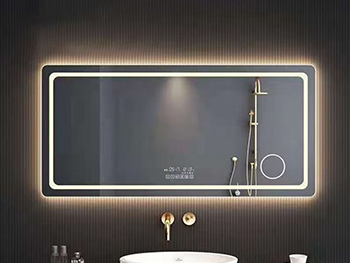
Smart Bathroom Mirrors with Hygiene Monitoring: The Future of Personal Wellness
Introduction to Smart Bathroom Mirrors
The modern bathroom is undergoing a technological revolution, with smart mirrors emerging as one of the most innovative additions to contemporary homes. These intelligent surfaces combine traditional mirror functionality with cutting-edge technology to create interactive, connected devices that enhance daily routines. Among the most advanced versions are smart mirrors equipped with hygiene monitoring capabilities—devices that go beyond simple reflection to actively contribute to personal health and wellness.
Smart bathroom mirrors with hygiene monitoring represent the convergence of IoT (Internet of Things) technology, artificial intelligence, and health tracking in personal care spaces. These mirrors serve as central hubs for bathroom activities, offering features ranging from environmental monitoring to personalized health recommendations based on collected data. As consumers increasingly prioritize health-conscious living and smart home integration, these advanced mirrors are poised to become standard fixtures in homes of the future.
Core Features of Hygiene Monitoring Smart Mirrors
1. Environmental Sensors
Advanced smart mirrors incorporate multiple environmental sensors that continuously monitor bathroom conditions. These typically include:
- Humidity sensors that track moisture levels to prevent mold growth and maintain optimal air quality
- Temperature sensors that ensure comfortable conditions and can integrate with home heating systems
- Air quality sensors that detect volatile organic compounds (VOCs), carbon dioxide levels, and other pollutants
- Ambient light sensors that adjust mirror illumination based on time of day and user preferences
These sensors work together to create a comprehensive picture of the bathroom environment, alerting users when conditions deviate from healthy parameters.
2. Personal Hygiene Tracking
The most innovative aspect of these mirrors is their ability to monitor and analyze personal hygiene habits:
- Skin analysis using high-resolution cameras and AI algorithms to assess skin condition, detect potential issues, and track changes over time
- Oral hygiene monitoring through visual analysis of teeth and gums, with some models offering breath composition analysis
- Handwashing verification using motion sensors and timing mechanisms to ensure proper hand hygiene practices
- Hair health assessment examining scalp condition and hair quality through specialized imaging
This data is processed in real-time to provide immediate feedback and long-term trend analysis, helping users maintain optimal personal care routines.
3. Smart Integration and Connectivity
Modern hygiene monitoring mirrors serve as connected hubs within the smart home ecosystem:
- Wi-Fi and Bluetooth connectivity for remote monitoring and control via smartphone apps
- Voice assistant integration allowing hands-free operation and voice commands
- Interoperability with other smart devices like showers, toilets, and ventilation systems
- Cloud synchronization for secure data storage and access across multiple devices
This connectivity transforms the mirror from a passive object into an active participant in household health management.
Health Benefits of Hygiene Monitoring Technology
1. Preventive Healthcare
By continuously monitoring personal hygiene indicators, these smart mirrors can:
- Detect early signs of skin conditions like acne, eczema, or unusual moles
- Identify potential oral health issues before they require professional intervention
- Monitor recovery from dermatological treatments or surgeries
- Track the effectiveness of different skincare products and routines
This preventive approach allows for early intervention, potentially reducing the need for more serious medical treatment later.
2. Behavioral Modification
The mirrors' feedback mechanisms encourage healthier habits through:
- Visual and auditory reminders for handwashing duration and technique
- Progress tracking that reinforces positive hygiene behaviors
- Personalized recommendations based on individual health profiles
- Gamification elements that make hygiene maintenance more engaging
Studies have shown that real-time feedback significantly improves compliance with hygiene protocols, particularly in handwashing.
3. Environmental Health Optimization
Beyond personal hygiene, these mirrors contribute to overall bathroom health by:
- Alerting users to excessive humidity that could lead to mold growth
- Recommending ventilation when air quality deteriorates
- Maintaining optimal lighting conditions to reduce eye strain
- Tracking cleaning frequency and suggesting maintenance schedules
This comprehensive approach creates a healthier living environment that supports personal wellness.
Technical Architecture of Hygiene Monitoring Mirrors
1. Hardware Components
The sophisticated functionality of these mirrors relies on an array of specialized hardware:
- High-resolution displays with anti-fog technology for clear visibility in humid conditions
- Multi-spectral cameras capable of capturing detailed images beyond visible light spectrum
- Embedded sensors for environmental and biometric data collection
- Powerful processors to handle real-time data analysis without external computing
- Touch-sensitive surfaces or gesture recognition for intuitive interaction
These components are seamlessly integrated into mirror designs that maintain aesthetic appeal while delivering advanced functionality.
2. Software Ecosystem
The intelligence behind hygiene monitoring mirrors comes from sophisticated software:
- Machine learning algorithms that improve analysis accuracy over time through user data
- Computer vision systems capable of identifying and tracking various health indicators
- Customizable dashboards that present health data in accessible formats
- Predictive analytics that forecast potential issues based on trends
- Secure data protocols ensuring privacy for sensitive health information
Regular software updates continuously expand functionality and improve performance based on user feedback and technological advancements.
3. Data Security and Privacy Considerations
Given the personal nature of collected health data, robust security measures are essential:
- End-to-end encryption for all transmitted data
- Local processing options for users preferring to limit cloud storage
- Granular permission controls determining what data is shared and with whom
- Automatic data anonymization for aggregate research purposes
- Compliance with health data regulations like HIPAA and GDPR
These protections ensure users can benefit from advanced monitoring without compromising their privacy.
User Experience and Interface Design
1. Intuitive Interaction Models
Effective hygiene monitoring mirrors prioritize user-friendly interfaces:
- Context-aware displays that show relevant information based on time of day and user presence
- Minimalist design keeping non-essential information hidden until needed
- Haptic feedback for touch interactions without requiring visual confirmation
- Adaptive brightness adjusting to ambient light conditions for optimal visibility
- Multi-user profiles recognizing individuals and customizing displays accordingly
These design principles ensure the technology enhances rather than complicates daily routines.
2. Personalization Features
Advanced customization options allow users to tailor the mirror to their needs:
- Custom health metrics focusing on individual concerns or conditions
- Adjustable alert thresholds for different environmental factors
- Integration with personal health devices like fitness trackers or smart scales
- Aesthetic customization of interface colors and layouts
- Routine programming for personalized morning/evening checklists
This personalization increases engagement and makes the health monitoring more relevant to each user.
3. Accessibility Considerations
Inclusive design ensures the technology benefits all users:
- Voice navigation for visually impaired individuals
- High-contrast displays for users with limited vision
- Simplified modes reducing complexity for elderly users
- Multilingual support accommodating diverse households
- Child-friendly interfaces with basic hygiene reminders
These features demonstrate how smart technology can improve quality of life across demographics.
Market Trends and Future Developments
1. Current Adoption and Growth Projections
The smart mirror market is experiencing rapid expansion:
- Increasing consumer awareness of health monitoring technologies
- Growing smart home adoption creating demand for connected bathroom solutions
- Hospitality industry interest in hygiene monitoring for premium guest experiences
- Healthcare applications in patient monitoring and senior care facilities
Analysts predict compound annual growth rates exceeding 20% as technology improves and prices become more accessible.
2. Emerging Technological Enhancements
Future iterations of hygiene monitoring mirrors may include:
- Advanced biometric scanning for comprehensive health assessments
- Augmented reality overlays demonstrating proper hygiene techniques
- Integration with telemedicine platforms for remote consultations
- Predictive health analytics using artificial intelligence
- Self-cleaning surfaces with antimicrobial properties
These innovations will further blur the line between personal care and professional healthcare.
3. Sustainability Considerations
As environmental concerns grow, manufacturers are focusing on:
- Energy-efficient designs with low-power components and automatic shutoff
- Recyclable materials reducing electronic waste
- Longevity features allowing hardware upgrades rather than full replacements
- Water usage monitoring integrated with smart home water systems
- Eco-mode options optimizing energy use without sacrificing functionality
Sustainable design will become a competitive differentiator in the smart mirror market.
Implementation Challenges and Considerations
1. Technical Limitations
Current challenges facing hygiene monitoring technology include:
- Accuracy limitations in certain environmental conditions
- Privacy concerns regarding always-on cameras and sensors
- Power requirements for continuous operation
- Integration complexities with diverse smart home ecosystems
- Maintenance needs for sensitive optical components
Ongoing research and development aims to address these limitations in future generations.
2. User Adoption Barriers
Factors that may slow widespread adoption include:
- High initial costs compared to conventional mirrors
- Technological intimidation among less tech-savvy consumers
- Aesthetic preferences for traditional bathroom designs
- Data security skepticism regarding cloud-stored health information
- Behavioral inertia in changing established hygiene routines
Educational marketing and gradual price reductions will help overcome these barriers.
3. Ethical Considerations
The development of hygiene monitoring technology raises important questions:
- Data ownership rights for collected health information
- Insurance implications of self-monitored health data
- Psychological impacts of constant health surveillance
- Algorithmic bias in health assessment across diverse populations
- Informed consent requirements for household members and guests
Industry standards and regulations will need to evolve alongside the technology to address these concerns.
Conclusion: The Future of Personal Hygiene Management
Smart bathroom mirrors with hygiene monitoring represent a significant advancement in personal wellness technology. By combining environmental sensing with personalized health tracking, these devices offer unprecedented insight into daily hygiene practices and their impact on overall wellbeing. As the technology matures and becomes more accessible, it has the potential to transform routine personal care into a data-informed health management system.
The integration of artificial intelligence, IoT connectivity, and advanced sensors in a familiar bathroom fixture demonstrates how seamlessly technology can enhance rather than disrupt daily life. While challenges remain in terms of accuracy, privacy, and adoption, the benefits of continuous hygiene monitoring—from preventive healthcare to improved living environments—make these smart mirrors a compelling addition to modern homes.
Looking ahead, we can anticipate these mirrors becoming central hubs for comprehensive health management, potentially integrating with medical systems to provide professional healthcare providers with valuable longitudinal health data. As consumers increasingly prioritize health-conscious living and smart home convenience, hygiene monitoring mirrors are poised to transition from luxury innovations to essential wellness tools in households worldwide.
This website uses cookies to ensure you get the best experience on our website.


 Español
 Français
 日本語
日本語 العربية



 Phone
Phone
Comment
(0)