
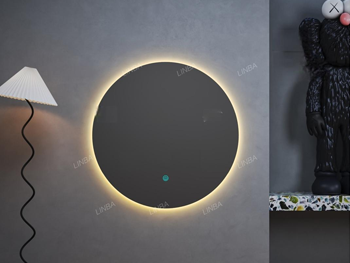
Smart Mirrors with Built-in Speakers for Music: The Future of Home Technology
Introduction to Smart Mirrors
Smart mirrors represent one of the most innovative integrations of technology into our daily lives, combining the traditional functionality of mirrors with advanced digital features. These futuristic devices have evolved from simple reflective surfaces to sophisticated interactive displays that can provide weather updates, calendar notifications, fitness tracking, and even entertainment options. Among the most exciting developments in smart mirror technology is the integration of high-quality audio systems, transforming these devices into multi-functional entertainment hubs for modern homes.
The concept of a mirror that does more than reflect your image has captured the imagination of tech enthusiasts and interior designers alike. By incorporating speakers directly into the mirror's frame or structure, manufacturers have created products that serve as both practical home fixtures and premium entertainment systems. This combination addresses the growing consumer demand for technology that blends seamlessly into living spaces without compromising on aesthetics or functionality.
The Technology Behind Smart Mirrors with Speakers
The engineering behind smart mirrors with built-in speakers involves a careful balance of multiple technological components working in harmony. At its core, the mirror maintains its primary reflective function through specialized two-way glass that allows digital displays to shine through when activated while remaining perfectly clear when not in use. Behind this glass lies an LCD or OLED display panel that projects information, images, or video content.
The audio components are typically integrated into the mirror's frame, designed to be both acoustically effective and visually unobtrusive. Advanced models use premium speaker drivers and digital signal processing to deliver room-filling sound without distorting the mirror's sleek appearance. Many incorporate Bluetooth connectivity for wireless audio streaming from smartphones, tablets, or computers, while others may include wired connections for higher fidelity audio sources.
Powering these features is a compact but powerful computer system running on specialized operating systems optimized for mirror interfaces. These systems manage everything from display brightness adjustments based on ambient light to equalizer settings for the integrated speakers. Some high-end models even incorporate voice control technology, allowing users to adjust volume or change tracks with simple voice commands.
Benefits of Music-Enabled Smart Mirrors
The integration of high-quality speakers into smart mirrors offers numerous advantages for modern homeowners. First and foremost is the space-saving aspect - combining two essential home elements (a mirror and audio system) into a single unit eliminates the need for separate speaker installations while maintaining a clean, uncluttered aesthetic. This is particularly valuable in smaller living spaces like apartments or condominiums where every square foot counts.
From an acoustic perspective, mirrors with built-in speakers often provide superior sound quality compared to many standalone Bluetooth speakers. The mirror's large surface area can enhance bass response and sound projection, while the strategic placement of speaker drivers in the frame creates a more immersive listening experience. Many models feature advanced audio technologies like noise cancellation and spatial audio processing to optimize performance in various room configurations.
The convenience factor cannot be overstated. Having music capabilities integrated into a mirror that you already use daily - whether in the bathroom while getting ready, in the bedroom while dressing, or in the living room as a decorative element - creates natural opportunities for musical enjoyment without additional setup or equipment. The ability to access streaming services, playlists, or podcasts directly from the mirror interface adds another layer of seamless integration into daily routines.
Design and Aesthetic Considerations
One of the most compelling aspects of smart mirrors with speakers is their ability to enhance home decor while delivering advanced functionality. Unlike traditional audio equipment that often requires visible wires, stands, or mounting brackets, these mirrors maintain a clean, minimalist appearance that complements virtually any interior design style. The speakers are typically concealed within slim, elegant frames that range from modern metallic finishes to classic wood tones.
Lighting integration is another design highlight of many music-enabled smart mirrors. Adjustable LED lighting systems can sync with music playback, creating dynamic visual effects that respond to rhythm and volume. Some models offer customizable color temperatures and brightness levels, allowing users to create the perfect ambiance for different activities - bright, cool lighting for morning routines with energetic music, or warm, dim lighting for evening relaxation with soothing melodies.
The user interface design varies across different models but generally prioritizes simplicity and intuitiveness. Touch controls may be integrated into the frame surface, or the entire mirror surface might serve as a touchscreen when activated. The challenge for designers is maintaining the mirror's primary function while providing easy access to audio controls and other smart features without creating visual clutter.
Practical Applications in Daily Life
The practical uses for smart mirrors with music capabilities extend far beyond simple vanity applications. In the bathroom, they can transform morning and evening routines into more enjoyable experiences. Imagine showering with your favorite playlist playing clearly through water-resistant speakers, or getting ready for work while catching up on news podcasts - all without needing to bring separate devices into the space.
In bedroom settings, these mirrors serve as elegant dressing aids that can play relaxing music to help you wake up gently or wind down at night. Some models integrate with smart home systems to become central control points for lighting, temperature, and other connected devices - all while providing high-quality background music throughout your routine.
For fitness enthusiasts, smart mirrors with speakers are particularly valuable. Many include workout guidance systems with accompanying music tracks optimized for different exercise intensities. The combination of visual feedback (through the mirror) and motivational music creates an immersive home gym experience without requiring multiple separate devices.
In living rooms or home offices, larger smart mirrors with premium audio systems can function as sophisticated entertainment centers. They might display art or photography when not in use, then transform into media displays with rich sound for watching videos, video calling, or enjoying music throughout the day. The reflective surface can actually enhance the perception of space in smaller rooms while delivering impressive audio performance.
Audio Quality and Technical Specifications
The audio performance of smart mirrors with built-in speakers varies significantly depending on the quality of components and engineering. High-end models often feature:
- High-excursion woofers for deep bass response
- Precision tweeters for clear highs
- Multi-channel amplification for balanced sound
- Advanced digital signal processing for room optimization
- Support for high-resolution audio codecs like aptX HD or LDAC
Frequency response ranges typically span from 60Hz to 20kHz in premium models, with some incorporating passive radiators or bass ports to enhance low-end performance without increasing speaker size. Total harmonic distortion is generally kept below 1% at normal listening levels to maintain audio clarity.
Connectivity options usually include Bluetooth 5.0 or higher for wireless streaming, with some models adding Wi-Fi for direct access to streaming services without needing a secondary device. Wired connections might include 3.5mm auxiliary inputs or even USB ports for direct digital audio playback. Many mirrors also feature built-in microphones for voice control or hands-free calling capabilities.
Smart Features Beyond Music Playback
While the audio capabilities are a major selling point, music-enabled smart mirrors typically offer numerous other intelligent functions that enhance their value:
1. Voice Assistant Integration: Compatibility with popular voice platforms allows for hands-free control of music playback, smart home devices, and information queries.
2. Environmental Sensors: Some models include temperature, humidity, and air quality sensors that can display readings or trigger automated responses like ventilation adjustments.
3. Personalized Profiles: Multiple user profiles can store individual music preferences, lighting settings, and routine information.
4. Health Monitoring: Advanced sensors might track skin condition, heart rate, or other biometric data while you use the mirror.
5. Interactive Displays: Recipe demonstrations, workout guides, or makeup tutorials can play on the mirror surface with accompanying audio instructions.
6. Smart Home Hub Functionality: The mirror can serve as a central control point for other connected devices throughout the home.
These additional features transform the mirror from a simple music player into a comprehensive smart home interface that happens to include excellent audio capabilities.
Installation and Setup Considerations
Installing a smart mirror with built-in speakers requires attention to several important factors. First is power supply - most models need to be hardwired into home electrical systems, though some smaller versions may offer battery options for temporary use. Professional installation is recommended for larger, more complex units, particularly those intended for bathroom use where water resistance and proper sealing are critical.
Placement significantly impacts both functionality and audio performance. In bathrooms, the mirror should be positioned away from direct water exposure while still being conveniently located for daily use. In living spaces, consideration should be given to room acoustics - placing the mirror on a wall opposite soft furnishings can help balance sound reflection and absorption.
Network connectivity is another important setup factor. For full functionality, the mirror will need reliable Wi-Fi access, which may require signal boosters in some home locations. Wired Ethernet connections can provide more stable performance for music streaming and software updates.
Most smart mirrors come with companion mobile apps that simplify initial configuration and ongoing control. These apps typically allow users to:
- Connect to home networks and streaming services
- Customize display layouts and audio settings
- Create automation routines (like morning music alarms)
- Adjust equalizer settings for optimal sound
- Manage software updates and new feature additions
Maintenance and Care
Proper maintenance ensures long-term performance of both the mirror and audio components. Regular cleaning with appropriate, non-abrasive products keeps the reflective surface clear and touch controls responsive. Special care should be taken around speaker grilles to prevent dust buildup that could affect sound quality.
Software updates should be installed promptly as they often include audio processing improvements, new feature additions, and security patches. For models with rechargeable batteries (in portable versions), following manufacturer guidelines for charging cycles helps maintain battery health.
Periodic checks of all connections (power, network, and audio inputs) can prevent intermittent issues. If the mirror includes moving parts like adjustable lighting elements, occasional lubrication of mechanisms may be necessary depending on usage frequency.
Future Developments in Audio-Enabled Smart Mirrors
The evolution of smart mirrors with integrated speakers continues at a rapid pace. Emerging technologies likely to appear in future models include:
1. Beamforming Audio: Advanced speaker arrays that can direct sound to specific room areas or adjust output based on user position.
2. Haptic Feedback: Subtle vibrations synchronized with music for a more immersive experience, particularly useful for dance or fitness applications.
3. Augmented Reality Integration: Visual overlays that respond to musical elements, creating interactive light shows or educational displays about the music being played.
4. Advanced Biometric Integration: Systems that adjust music selection based on detected mood or stress levels.
5. Environmental Adaptation: Automatic audio adjustments based on room acoustics and ambient noise levels.
6. Sustainable Designs: Incorporation of eco-friendly materials and energy-efficient components without compromising audio quality.
As artificial intelligence continues to advance, we can expect smarter music recommendation systems that learn from daily routines and preferences, potentially suggesting playlists that match the time of day, detected activities, or even clothing choices visible in the mirror.
Choosing the Right Music-Enabled Smart Mirror
Selecting the ideal smart mirror with audio capabilities depends on several factors:
1. Primary Use Case: Bathroom mirrors prioritize water resistance, while living room models may focus on larger displays and premium audio.
2. Room Size: Larger spaces benefit from mirrors with more powerful speaker systems or the ability to pair with additional wireless speakers.
3. Audio Priorities: Audiophiles should look for high-resolution audio support and advanced driver configurations, while casual listeners might prioritize convenience features.
4. Smart Home Ecosystem: Compatibility with existing voice assistants or smart home platforms ensures seamless integration.
5. Design Preferences: Frame materials, lighting options, and overall aesthetic should complement existing decor.
6. Budget Considerations: Prices range widely based on size, features, and audio quality, from affordable entry-level models to high-end luxury versions.
Prospective buyers should carefully review specifications, read professional reviews, and ideally experience demonstration units to assess audio quality and interface usability before making a purchase decision.
Conclusion: The Harmonious Blend of Form and Function
Smart mirrors with built-in speakers represent a perfect marriage of practical home essentials and cutting-edge technology. By combining high-quality reflective surfaces with premium audio systems and intelligent features, these innovative products enhance daily routines while maintaining elegant, unobtrusive designs. They solve real-world problems of space constraints and technological clutter while delivering genuine improvements to quality of life through music and information integration.
As the technology continues to evolve, we can expect even more sophisticated audio implementations and smarter feature integrations that will further cement these devices as central elements of modern, connected homes. Whether used for morning motivation, evening relaxation, or all-day entertainment, music-enabled smart mirrors offer a compelling glimpse into the future of integrated home technology - where functionality meets artistry, and everyday objects become portals to richer living experiences.
This website uses cookies to ensure you get the best experience on our website.


 Español
 Français
 日本語
日本語 العربية



 Phone
Phone
Comment
(0)