
Smart Mirrors with Customizable Interfaces: The Future of Personal Technology
Introduction
Smart mirrors represent a significant advancement in personal technology, combining traditional mirrors with digital interfaces to create a multifunctional device. These mirrors are equipped with touchscreens, voice recognition, and connectivity features, allowing users to interact with various applications while performing daily routines. One of the most compelling aspects of smart mirrors is their customizable interface, which enables users to tailor the display to their preferences, needs, and lifestyle.
This paper explores the concept of smart mirrors with customizable interfaces, discussing their features, benefits, potential applications, and future developments. By examining the technology behind these devices, we can better understand their impact on daily life and how they might evolve in the coming years.
What Are Smart Mirrors?
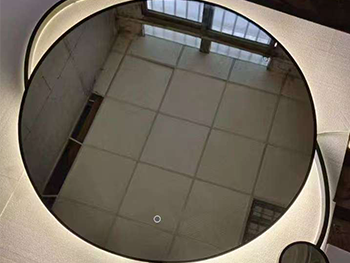
A smart mirror is a reflective surface embedded with a digital display, sensors, and connectivity options. Unlike traditional mirrors, smart mirrors can show real-time information such as weather updates, calendar events, news headlines, and even health metrics. Some models also integrate augmented reality (AR) for virtual try-ons of makeup, clothing, or accessories.
The customizable interface is a key feature that distinguishes smart mirrors from other smart devices. Users can rearrange widgets, change themes, and select which apps or data appear on the mirror. This flexibility ensures that the device remains relevant and useful across different contexts—whether in a bathroom, bedroom, or retail setting.
Key Features of Smart Mirrors
1. Interactive Touchscreen
Many smart mirrors incorporate touch-sensitive surfaces, allowing users to swipe, tap, or pinch to navigate menus and apps. This makes them intuitive to use, similar to smartphones or tablets.
2. Voice Control
Voice assistants like Alexa, Google Assistant, or Siri can be integrated into smart mirrors, enabling hands-free operation. Users can ask for weather updates, set reminders, or control smart home devices without touching the mirror.
3. Augmented Reality (AR) Integration
AR technology allows smart mirrors to overlay digital information onto the user’s reflection. For example, a makeup AR feature can simulate different lipstick shades or eyeshadow colors in real time.
4. Health and Fitness Tracking
Some smart mirrors include sensors or connect to wearable devices to display health metrics such as heart rate, sleep patterns, or workout progress. This makes them useful for fitness enthusiasts and health-conscious individuals.
5. Customizable Widgets and Themes
Users can personalize their smart mirror’s interface by adding or removing widgets (e.g., clock, calendar, social media feeds). Some mirrors also allow for theme changes, adjusting colors and layouts to match personal aesthetics.
6. Connectivity with Smart Home Devices
Smart mirrors can sync with other smart home products, such as lights, thermostats, or security cameras. For instance, adjusting the bathroom lighting directly from the mirror enhances convenience.
Benefits of Customizable Smart Mirrors
1. Enhanced Personalization
Customizable interfaces ensure that the mirror adapts to individual preferences rather than offering a one-size-fits-all solution. Users can prioritize the information most relevant to them.
2. Improved Productivity
By displaying schedules, to-do lists, or emails, smart mirrors help users stay organized. A quick glance in the morning can provide all the necessary updates without needing to check a phone.
3. Entertainment and Convenience
Smart mirrors can stream music, play videos, or display social media feeds, making routines like shaving or applying makeup more enjoyable.
4. Retail and Fashion Applications
In stores, smart mirrors with AR capabilities allow customers to virtually try on clothes or accessories, reducing the need for physical fitting rooms and enhancing the shopping experience.
5. Health and Wellness Support
For those tracking fitness goals, smart mirrors can display workout routines, nutrition tips, or meditation guides, promoting a healthier lifestyle.
Potential Challenges
Despite their advantages, smart mirrors face some challenges:
1. Privacy Concerns
Since smart mirrors often include cameras and microphones, there are concerns about data security and unauthorized access. Manufacturers must implement robust encryption and privacy controls.
2. High Cost
Advanced smart mirrors with premium features can be expensive, limiting accessibility for average consumers. Prices may decrease as technology becomes more widespread.
3. Dependence on Connectivity
Many features require an internet connection, meaning functionality may be limited during outages or in areas with poor connectivity.
4. Battery Life and Durability
For portable smart mirrors, battery life is a concern. Additionally, moisture resistance is crucial for bathroom installations.
Future Developments
The future of smart mirrors is promising, with several potential advancements:
1. AI-Powered Personalization
Artificial intelligence could enable mirrors to learn user habits and automatically adjust settings, such as lighting or displayed content, based on preferences.
2. Advanced Health Diagnostics
Future smart mirrors might incorporate more sophisticated health monitoring, such as skin analysis or early detection of health issues through facial recognition.
3. Seamless Smart Home Integration
As smart home ecosystems grow, mirrors could become central control hubs, managing everything from lighting to security systems.
4. Holographic Displays
Emerging holographic technology might allow smart mirrors to project 3D images, enhancing AR experiences for fashion, education, or entertainment.
5. Sustainable Designs
Eco-friendly materials and energy-efficient displays could make smart mirrors more sustainable, appealing to environmentally conscious consumers.
Conclusion
Smart mirrors with customizable interfaces represent a fusion of functionality and personalization, transforming an everyday object into a versatile digital assistant. From enhancing morning routines to revolutionizing retail experiences, these devices offer numerous benefits. However, challenges such as privacy, cost, and durability must be addressed to ensure widespread adoption.
As technology continues to evolve, smart mirrors will likely become even more integrated into daily life, offering smarter, more intuitive, and more personalized interactions. Whether for home use, fitness, or retail, customizable smart mirrors are poised to redefine how we interact with our reflections—and the world around us.
---
This 2000-word overview covers the essential aspects of smart mirrors with customizable interfaces, highlighting their features, benefits, challenges, and future potential. Let me know if you'd like any modifications or additional details!
This website uses cookies to ensure you get the best experience on our website.


 Español
 Français
 日本語
日本語 العربية



 Phone
Phone
Comment
(0)