
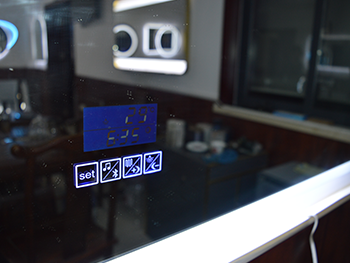
Smart Mirrors with Easy-Cleaning Surfaces: The Future of Home Technology
Introduction
In the rapidly evolving world of smart home technology, smart mirrors have emerged as one of the most innovative and practical additions to modern living spaces. These intelligent devices combine traditional mirror functionality with cutting-edge technology to provide users with information, entertainment, and enhanced functionality. However, as with any frequently used surface, smart mirrors are prone to smudges, fingerprints, and general wear that can diminish their appearance and performance. This has led to significant advancements in easy-cleaning surface technologies specifically designed for smart mirrors. This comprehensive article explores the technology behind smart mirrors, the importance of easy-cleaning surfaces, various surface treatment options, maintenance best practices, and future developments in this exciting field.
Understanding Smart Mirrors
What Are Smart Mirrors?
Smart mirrors are reflective surfaces that incorporate digital technology to provide additional functionality beyond simple reflection. These devices typically feature:
- Integrated displays (often behind the mirror glass)
- Touchscreen capabilities
- Voice control integration
- Connectivity with other smart home devices
- Customizable interfaces
- Environmental sensors (humidity, temperature, etc.)
- Camera systems for augmented reality applications
Common Applications of Smart Mirrors
Smart mirrors serve numerous purposes in both residential and commercial settings:
1. Bathroom Applications: Providing weather updates, news feeds, calendar reminders while users prepare for their day
2. Retail Environments: Virtual try-on systems for clothing, accessories, and cosmetics
3. Fitness Areas: Displaying workout routines, tracking progress, and providing real-time feedback
4. Hospitality Industry: Offering hotel guests information about services and local attractions
5. Healthcare Settings: Assisting with telemedicine consultations and health monitoring
The Importance of Easy-Cleaning Surfaces
Challenges of Maintaining Smart Mirrors
Smart mirrors face several maintenance challenges that make easy-cleaning surfaces particularly valuable:
1. Frequent Touching: Touchscreen functionality leads to regular contact with the surface
2. Environmental Factors: Bathroom mirrors are exposed to humidity, steam, and water splashes
3. Cosmetic Residue: Makeup, skincare products, and hairspray can accumulate on the surface
4. Fingerprints and Smudges: Natural oils from skin contact create visible marks
5. Cleaning Product Compatibility: Harsh chemicals can damage display components or special coatings
Benefits of Easy-Cleaning Surfaces
Incorporating easy-cleaning technologies into smart mirrors offers numerous advantages:
1. Improved Hygiene: Reduced bacterial growth and easier disinfection
2. Enhanced Visibility: Minimal smudging maintains optimal display clarity
3. Time Savings: Quicker and more efficient cleaning routines
4. Longer Product Lifespan: Protection against corrosive substances and abrasion
5. Better User Experience: Consistently clean surfaces improve functionality and aesthetics
Easy-Cleaning Surface Technologies for Smart Mirrors
Hydrophobic and Oleophobic Coatings
These specialized coatings repel water and oils, making them ideal for smart mirror applications:
1. Nanotechnology-Based Solutions: Microscopic structures create a self-cleaning effect
2. Fluoropolymer Coatings: Provide durable resistance to fingerprints and stains
3. Silicon-Based Treatments: Offer good transparency and chemical resistance
Anti-Fingerprint Technologies
Several approaches have been developed specifically to combat fingerprint visibility:
1. Surface Energy Modification: Reduces the ability of oils to adhere to the surface
2. Micro-Texture Patterns: Minimizes the visual impact of fingerprint residues
3. Multi-Layer Coatings: Combine fingerprint resistance with other protective properties
Anti-Reflective and Anti-Glare Treatments
While primarily designed to improve visibility, these coatings often incorporate easy-cleaning benefits:
1. Porous Silica Layers: Provide both anti-reflective properties and stain resistance
2. Hard Coatings: Increase surface durability while maintaining cleanability
Self-Cleaning Surfaces
The most advanced solutions require minimal user intervention:
1. Photocatalytic Coatings: Use light to break down organic compounds on the surface
2. Hydrophilic Coatings: Cause water to spread evenly, carrying away dirt particles
3. Antimicrobial Additives: Inhibit the growth of bacteria and mold
Material Considerations for Smart Mirror Surfaces
Glass Options
1. Tempered Glass: Provides safety and durability for high-traffic areas
2. Low-Iron Glass: Offers superior clarity for optimal display visibility
3. Laminated Glass: Incorporates protective interlayers for added safety
Plastic Alternatives
1. Polycarbonate: Lightweight and impact-resistant but more prone to scratching
2. Acrylic: Good optical clarity with better chemical resistance than polycarbonate
Hybrid Solutions
Combining materials can optimize both performance and cleanability:
1. Glass-Plastic Composites: Merge the best properties of both material types
2. Multi-Layer Constructions: Incorporate protective coatings between layers
Maintenance Best Practices for Smart Mirrors
Cleaning Techniques
Proper cleaning methods preserve surface treatments and display quality:
1. Dry Cleaning: Use microfiber cloths for light dust and fingerprint removal
2. Damp Cleaning: Slightly moistened cloths with distilled water for tougher marks
3. Approved Cleaners: Use only manufacturer-recommended cleaning solutions
4. Cleaning Frequency: Regular light cleaning prevents buildup of difficult residues
Avoiding Common Mistakes
Several practices can damage smart mirror surfaces:
1. Abrasive Materials: Paper towels or rough cloths can scratch coatings
2. Ammonia-Based Cleaners: Can degrade certain surface treatments
3. Excessive Pressure: May damage touchscreen components or coatings
4. Direct Spray Application: Liquids should be applied to the cloth, not the mirror
Long-Term Care
Extended maintenance considerations:
1. Periodic Inspection: Check for coating wear or damage
2. Environmental Control: Manage humidity and temperature when possible
3. Professional Servicing: For complex issues or reapplication of specialized coatings
Technological Integration Challenges
Balancing Functionality and Cleanability
Designing easy-cleaning smart mirrors involves several technical considerations:
1. Touch Sensitivity: Coatings must not interfere with capacitive touch functionality
2. Display Visibility: Treatments should maintain or enhance screen clarity
3. Durability: Surface technologies must withstand long-term use and cleaning
4. Cost Effectiveness: Solutions need to be commercially viable for mass production
Compatibility with Other Features
Easy-cleaning surfaces must work harmoniously with other smart mirror technologies:
1. Camera Systems: Coatings shouldn't distort or blur camera images
2. Ambient Light Sensors: Must not interfere with light detection capabilities
3. Voice Control: Microphones shouldn't be affected by surface treatments
4. Heating Elements: For anti-fogging in bathroom applications
Future Developments in Easy-Cleaning Smart Mirrors
Emerging Technologies
Several promising innovations are on the horizon:
1. Superhydrophobic Coatings: Extreme water repellency inspired by natural surfaces
2. Self-Healing Materials: Minor scratches that repair themselves over time
3. Dynamic Surface Properties: Adjustable characteristics based on environmental conditions
4. Nanostructured Surfaces: Precisely engineered at the molecular level for optimal performance
Sustainability Considerations
Future developments will likely focus on eco-friendly solutions:
1. Biodegradable Coatings: Effective treatments with minimal environmental impact
2. Energy-Efficient Production: Lower carbon footprint manufacturing processes
3. Longer-Lasting Solutions: Reducing the need for frequent replacement or reapplication
4. Recyclable Materials: Designing for easier end-of-life processing
Integration with Smart Home Ecosystems
Advanced connectivity will enhance functionality:
1. Automated Maintenance Alerts: Notifications when cleaning is needed
2. Self-Cleaning Activation: Automated cycles using integrated systems
3. Usage Pattern Analysis: Optimizing cleaning schedules based on actual use
4. Predictive Maintenance: Anticipating coating wear before it becomes problematic
Consumer Considerations When Choosing Easy-Cleaning Smart Mirrors
Key Selection Factors
Consumers should evaluate several aspects:
1. Surface Technology Type: Understanding the specific coating or treatment used
2. Durability Claims: Expected lifespan of the easy-cleaning properties
3. Maintenance Requirements: Any special care instructions
4. Warranty Coverage: Protection against premature coating failure
Cost-Benefit Analysis
Weighing the value proposition:
1. Initial Investment: Higher-quality surfaces may cost more upfront
2. Long-Term Savings: Reduced cleaning time and product expenses
3. Product Longevity: Potential for extended usable life
4. Resale Value: Well-maintained smart mirrors may retain more value
Installation and Placement Considerations
Optimizing the environment for easy maintenance:
1. Location Selection: Areas with less exposure to contaminants
2. Proper Mounting: Ensuring correct installation to prevent stress on surfaces
3. Environmental Controls: Managing humidity and temperature when possible
4. Accessibility: Positioning for convenient cleaning access
Conclusion
Smart mirrors with easy-cleaning surfaces represent a significant advancement in home technology, combining practical functionality with convenient maintenance. The development of specialized coatings and surface treatments has addressed many of the challenges associated with keeping these high-tech devices clean and functional. From hydrophobic nanocoatings to self-cleaning technologies, the options available today provide consumers with various levels of protection and ease of maintenance.
As the technology continues to evolve, we can expect to see even more innovative solutions that further reduce maintenance requirements while enhancing the user experience. Future developments in material science, nanotechnology, and smart home integration promise to make smart mirrors even more durable, functional, and easier to care for.
For consumers, understanding the available options and proper maintenance techniques is key to getting the most value from their smart mirror investment. By selecting the right surface technology for their specific needs and following recommended care guidelines, users can enjoy the benefits of smart mirror technology without the frustration of constant cleaning or surface degradation.
The integration of easy-cleaning surfaces into smart mirrors exemplifies how technological innovation can solve practical everyday problems, creating products that are not only smarter but also more convenient and enjoyable to use. As this technology matures, it will likely become a standard feature in smart mirrors, further driving their adoption in homes and commercial spaces worldwide.
This website uses cookies to ensure you get the best experience on our website.


 Español
 Français
 日本語
日本語 العربية



 Phone
Phone
Comment
(0)