
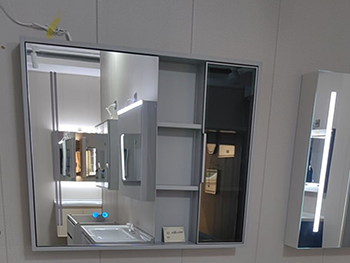
Smart Mirrors with Skincare and Makeup Guidance: Technology and Market Insights
Industry Background and Market Demand
The beauty and personal care industry has seen a surge in demand for smart devices that enhance user experience through technology. Smart mirrors with skincare and makeup guidance represent a convergence of beauty tech, artificial intelligence, and IoT, catering to both consumer and professional markets.
According to market research, the global smart mirror industry is projected to grow at a CAGR of 8–10% over the next five years, driven by increasing consumer interest in personalized beauty solutions. Retailers, dermatology clinics, and luxury spas are adopting these mirrors to improve customer engagement and service efficiency. Unlike traditional mirrors, these devices analyze skin conditions, recommend products, and simulate makeup looks in real time—features that align with the growing preference for data-driven beauty routines.
Core Technology and Functionality
Smart mirrors with skincare and makeup guidance rely on three key technologies:
1. Computer Vision & AI Analysis – High-resolution cameras and machine learning algorithms detect skin texture, tone, and imperfections. Some models use spectral imaging to assess hydration levels or UV damage.
2. Augmented Reality (AR) Overlays – Real-time makeup simulation allows users to virtually try different products before application.
3. IoT Connectivity – Integration with mobile apps or cloud platforms enables personalized recommendations based on historical data.
The system typically combines LED lighting (adjustable for natural, warm, or cool tones) with anti-fog coatings for bathroom environments. Advanced models may include humidity sensors or voice control for hands-free operation.
Product Design and Manufacturing Considerations
Hardware Components
- Display Panel: Most smart mirrors use OLED or LCD screens with high pixel density for sharp AR overlays.
- Frame Materials: Aluminum or reinforced polymers ensure durability while maintaining aesthetic appeal.
- Sensors: Infrared sensors for touchless controls, ambient light sensors for adaptive brightness.
Software Integration
- Proprietary algorithms process skin analysis data, often trained on diverse skin tone datasets to minimize bias.
- Compatibility with major skincare brands’ databases allows product recommendations.
Manufacturers must balance performance and cost—higher-end models may include 3D facial mapping, while budget versions focus on basic AR try-on features.
Critical Factors Affecting Performance
1. Lighting Accuracy – Poor lighting can distort skin analysis results. Full-spectrum LEDs with diffusers are essential.
2. Algorithm Precision – Under-trained AI may misdiagnose skin conditions, leading to incorrect recommendations.
3. Latency Issues – Real-time AR requires low-latency processing, demanding optimized hardware-software integration.
4. Privacy Compliance – GDPR and CCPA regulations mandate secure handling of biometric data.
Supplier and Supply Chain Considerations
For B2B buyers, selecting OEM/ODM partners involves evaluating:
- Technical Expertise: Experience in optical electronics and AI integration.
- Certifications: ISO 13485 (if marketed as a medical device) or FCC/CE compliance.
- Scalability: Ability to meet bulk orders without compromising quality.
Leading suppliers are concentrated in China, South Korea, and Germany, with some specializing in modular designs for easier customization.
Industry Challenges and Pain Points
1. High Development Costs – R&D for accurate skin diagnostics requires significant investment.
2. Consumer Skepticism – Some users question the reliability of AI-driven skincare advice.
3. Short Product Lifecycles – Rapid tech advancements force frequent updates.
4. Interoperability Issues – Not all mirrors integrate seamlessly with third-party skincare apps.
Applications and Case Studies
Retail Sector
Major beauty retailers deploy smart mirrors in stores to reduce product return rates. For example, Sephora’s Virtual Artist system increased conversion rates by 11% by allowing customers to test shades digitally.
Dermatology and Aesthetics Clinics
Devices with medical-grade analysis assist professionals in tracking treatment progress. The HiMirror series, for instance, measures wrinkle depth and pigmentation changes over time.
Hospitality Industry
Luxury hotels install smart mirrors in bathrooms to offer guests personalized morning skincare routines.
Current Trends and Future Outlook
1. AI Personalization – Next-gen models will leverage longitudinal data to adjust recommendations based on seasonal skin changes.
2. Sustainability – Solar-powered mirrors and biodegradable materials are gaining traction.
3. Integration with Wearables – Syncing with smart rings or watches to correlate skin health with sleep/stress data.
4. B2B SaaS Models – Subscription-based analytics for spas and clinics to track client trends.
FAQ
Q: How accurate are smart mirrors in detecting skin concerns?
A: Mid- to high-end models achieve ~85% accuracy for common issues like dryness or acne, but professional diagnosis is still recommended for medical conditions.
Q: Can these mirrors work in low-light environments?
A: Yes, but performance may degrade. Models with infrared-assisted imaging perform better in dim settings.
Q: What’s the typical lifespan of a commercial-grade smart mirror?
A: Approximately 5–7 years, depending on usage intensity and software update support.
Q: Are there ethical concerns about data collection?
A: Reputable manufacturers anonymize biometric data and allow users to opt out of cloud storage.
The smart mirror industry is poised for expansion as technology bridges the gap between beauty and precision diagnostics. For B2B stakeholders, prioritizing accuracy, usability, and compliance will be key to capturing this evolving market.
This website uses cookies to ensure you get the best experience on our website.


 Español
 Français
 日本語
日本語 العربية



 Phone
Phone
Comment
(0)