
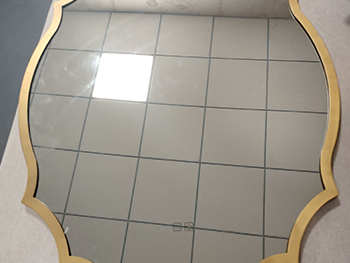
Smart Mirrors with Touch Sensor Dimming: A Comprehensive Guide
Introduction
Smart mirrors have revolutionized the way we interact with reflective surfaces, combining traditional functionality with modern technology. Among the most advanced features in smart mirrors is touch sensor dimming, which allows users to adjust brightness levels with a simple touch. This capability enhances user experience by providing customizable lighting for various scenarios, from applying makeup to shaving or simply checking one’s appearance.
This guide explores the technology behind smart mirrors with touch sensor dimming, their benefits, applications, and considerations for choosing the right model.
Understanding Smart Mirrors
What Is a Smart Mirror?
A smart mirror is a reflective surface embedded with digital technology, such as LED lighting, touch sensors, and sometimes even integrated displays. Unlike traditional mirrors, smart mirrors offer enhanced functionality, including adjustable lighting, voice control, and connectivity with other smart home devices.
Key Components of a Smart Mirror
1. LED Lighting System – Provides illumination with adjustable brightness and color temperature.
2. Touch Sensors – Allow users to interact with the mirror by tapping or swiping to control settings.
3. Control Module – Processes touch inputs and adjusts lighting accordingly.
4. Power Supply – Typically operates via AC power or rechargeable batteries.
5. Frame and Housing – Designed to integrate technology seamlessly while maintaining an aesthetic appeal.
Touch Sensor Dimming Technology
How Touch Sensor Dimming Works
Touch sensor dimming in smart mirrors relies on capacitive or resistive touch technology:
- Capacitive Touch Sensors – Detect changes in electrical capacitance when a finger touches the surface, offering high sensitivity and multi-touch support.
- Resistive Touch Sensors – Respond to pressure, making them suitable for environments where gloves might be worn.
When a user touches the designated area on the mirror, the sensor sends a signal to the control module, which adjusts the LED brightness in predefined steps (e.g., low, medium, high).
Advantages of Touch Sensor Dimming
1. Intuitive Operation – No buttons or switches are needed; a simple tap adjusts brightness.
2. Sleek Design – Eliminates the need for external controls, maintaining a minimalist look.
3. Customizable Lighting – Users can set preferred brightness levels for different tasks.
4. Energy Efficiency – Lower brightness settings reduce power consumption.
Applications of Smart Mirrors with Touch Dimming
1. Home Bathrooms
- Ideal for makeup application, shaving, and skincare routines with adjustable lighting.
- Enhances visibility in low-light conditions.
2. Dressing Rooms & Wardrobes
- Helps users see outfits in different lighting conditions before stepping outside.
- Provides professional-grade illumination for styling.
3. Hotels & Spas
- Offers guests a premium experience with customizable lighting.
- Enhances relaxation in spa environments with soft, dimmable light.
4. Retail & Fashion Stores
- Allows customers to see clothing and accessories under various lighting conditions.
- Improves the shopping experience with interactive features.
5. Smart Home Integration
- Can be synchronized with other smart devices (e.g., voice assistants, lighting systems).
- Supports automation (e.g., turning on at a scheduled time).
Choosing the Right Smart Mirror with Touch Dimming
Key Considerations
1. Size and Shape – Select a mirror that fits the intended space (e.g., round, rectangular, wall-mounted, or freestanding).
2. Lighting Modes – Look for adjustable color temperature (warm, cool, daylight) in addition to brightness control.
3. Touch Sensitivity – Ensure the touch sensor is responsive and works with wet hands if used in bathrooms.
4. Power Source – Battery-powered models offer portability, while wired versions ensure continuous operation.
5. Build Quality – Waterproof or moisture-resistant designs are essential for bathroom use.
6. Additional Features – Some models include Bluetooth speakers, anti-fog technology, or smart displays.
Installation and Maintenance
- Installation – Most smart mirrors come with mounting hardware for easy setup.
- Cleaning – Use a microfiber cloth and avoid harsh chemicals to protect the touch sensors.
- Software Updates – Some models may require firmware updates for optimal performance.
Future Trends in Smart Mirror Technology
1. AI-Powered Lighting Adjustment – Automatic brightness and color adjustments based on ambient light conditions.
2. Augmented Reality (AR) Integration – Virtual try-on for makeup, hairstyles, or accessories.
3. Health Monitoring – Built-in sensors for skin analysis, hydration levels, or sleep tracking.
4. Gesture Control – More advanced interaction methods beyond touch, such as hand gestures.
Conclusion
Smart mirrors with touch sensor dimming represent a significant advancement in home and commercial mirror technology. By combining intuitive controls with customizable lighting, they enhance functionality while maintaining a sleek, modern design. Whether for personal grooming, retail, or hospitality, these mirrors offer a versatile solution for various lighting needs.
As technology evolves, future smart mirrors will likely incorporate even more advanced features, further integrating them into smart homes and professional environments. When selecting a smart mirror, consider factors such as size, lighting modes, and additional functionalities to ensure the best fit for your needs.
With their blend of aesthetics and innovation, smart mirrors with touch dimming are set to become an essential part of modern living spaces.
---
This guide provides a detailed overview of smart mirrors with touch dimming, covering their technology, benefits, applications, and selection criteria—without mentioning any specific brands. Let me know if you'd like any modifications!
This website uses cookies to ensure you get the best experience on our website.


 Español
 Français
 日本語
日本語 العربية



 Phone
Phone
Comment
(0)