
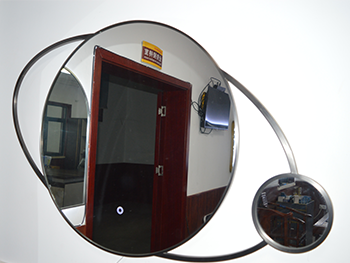
Fully Automatic Smart Bathroom Mirrors for Contemporary Interiors
Introduction to Smart Bathroom Mirrors
In the era of smart homes and connected living spaces, bathroom technology has undergone a remarkable transformation. Among the most innovative additions to contemporary interiors are fully automatic smart bathroom mirrors—sophisticated devices that blend cutting-edge technology with elegant design to create functional, intelligent surfaces that enhance daily routines.
Smart bathroom mirrors represent the convergence of home automation, personal wellness, and interior design. These mirrors go far beyond simple reflection, incorporating features like integrated lighting, touch controls, voice activation, and even health monitoring capabilities. Designed specifically for modern bathrooms, they offer homeowners a seamless way to incorporate technology into their personal spaces without compromising on style.
The appeal of smart mirrors lies in their ability to transform an ordinary bathroom experience into something extraordinary. Imagine waking up to a mirror that automatically adjusts its lighting to match the time of day, displays your schedule while you brush your teeth, and provides weather updates as you prepare for work—all without requiring you to touch a single button. This is the promise of fully automatic smart bathroom mirrors in contemporary interior design.
Design and Aesthetics of Smart Mirrors
Contemporary interior design emphasizes clean lines, minimalist aesthetics, and seamless integration of technology—qualities that smart bathroom mirrors embody perfectly. These mirrors are designed to complement modern bathroom spaces while adding a futuristic touch that doesn't feel out of place.
The frame design of smart mirrors varies from completely frameless options that create a sleek, floating appearance to thin-bezel designs that maintain a minimalist aesthetic. Many models feature edge-to-edge glass that maximizes the reflective surface while housing all the technological components invisibly behind the mirror surface. The glass itself is typically treated with anti-fog coatings to maintain clarity even in steamy bathroom conditions.
Customization options allow these mirrors to adapt to various interior styles. Some models offer interchangeable frames or customizable LED lighting colors to match different bathroom color schemes. The lighting itself is carefully engineered to provide optimal illumination for grooming tasks while creating ambient lighting effects that enhance the bathroom's atmosphere.
Size options range from compact models perfect for powder rooms to expansive mirrors that can serve as the focal point of a master bathroom. Many smart mirrors are available in standard sizes that fit common bathroom configurations, while others offer custom sizing to accommodate unique spaces or design visions.
Smart Features and Functionality
The true value of fully automatic smart bathroom mirrors lies in their advanced features that transform a simple reflective surface into an interactive hub. These mirrors incorporate numerous technologies designed to simplify routines and enhance the bathroom experience.
Integrated LED lighting systems with adjustable color temperature allow users to simulate different lighting conditions—from warm morning light to bright daylight—ensuring perfect visibility for shaving, makeup application, or skincare routines. Many models feature automatic brightness adjustment based on ambient light conditions or time of day.
Touch-sensitive controls built into the mirror surface or activated through motion gestures eliminate the need for physical buttons, maintaining the mirror's clean appearance. Some high-end models incorporate proximity sensors that automatically turn on features when someone approaches and power down when the bathroom is unoccupied.
Smart mirrors often include built-in Bluetooth speakers that connect to smartphones, allowing users to listen to music, podcasts, or take calls while getting ready. Some models feature voice control compatibility with popular smart home systems, enabling hands-free operation of mirror functions and other connected devices in the home.
Advanced models may incorporate display technology that shows information like time, date, weather, and calendar appointments directly on the mirror surface. This information can be customized to show only when needed, disappearing when not in use to maintain the mirror's reflective quality.
Automation and Smart Home Integration
The "fully automatic" aspect of these smart mirrors refers to their ability to sense and respond to user presence and environmental conditions without manual intervention. This automation creates a truly intelligent bathroom experience that feels both futuristic and intuitive.
Presence detection technology allows the mirror to activate when someone enters the bathroom and power down when the space is unoccupied, conserving energy while ensuring the mirror is always ready for use. Some models can distinguish between different family members and adjust settings automatically based on individual preferences stored in user profiles.
Smart mirrors seamlessly integrate with broader home automation systems, allowing them to communicate with other smart devices. They can coordinate with smart showers to display water temperature, connect with smart scales to track health metrics, or interface with whole-home lighting systems to create synchronized lighting scenes.
Many smart mirrors feature learning algorithms that adapt to user routines over time. A mirror might learn that you prefer brighter lighting in the morning and softer lighting in the evening, automatically adjusting without requiring manual changes. Some can even sync with sleep trackers to provide customized morning lighting that helps with natural wake-up processes.
The automation extends to maintenance features as well. Built-in demisters can automatically activate when humidity levels rise, keeping the mirror clear. Self-cleaning coatings on some models reduce maintenance requirements, while diagnostic systems can alert users or maintenance services when components need attention.
Health and Wellness Features
Modern smart bathroom mirrors are evolving beyond convenience features to incorporate health and wellness monitoring capabilities that support personal care routines. These features position the mirror as a central hub for daily health management.
Some advanced models include built-in skin analysis technology that uses specialized lighting and cameras to assess skin condition, tracking changes over time and suggesting skincare routines. Others incorporate air quality sensors that monitor bathroom humidity and ventilation needs, helping to prevent mold growth and maintain a healthy environment.
Fitness integration allows smart mirrors to display workout routines, track progress toward fitness goals, or even serve as interactive displays for guided yoga or exercise sessions. When paired with compatible smart scales or wearable devices, the mirror can display comprehensive health metrics each morning as part of a daily wellness check-in.
Mood lighting features can simulate sunrise effects for gradual morning wake-ups or provide calming light sequences for evening relaxation. Some mirrors offer guided breathing exercises or meditation prompts as part of stress-reduction routines. The mirror's display can show motivational messages or daily affirmations as part of a positive morning ritual.
For families, some smart mirrors include features like toothbrushing timers for children with visual countdowns that make oral hygiene more engaging. Others can track medication schedules or display reminders for health-related tasks, serving as a valuable tool for managing family wellness routines.
Installation and Technical Considerations
While smart bathroom mirrors offer impressive functionality, their installation requires careful planning to ensure optimal performance and seamless integration with bathroom infrastructure. Understanding these technical considerations is essential for both homeowners and designers.
Power requirements vary depending on the mirror's features. While some basic models can operate on batteries, most require hardwired electrical connections. Many are designed to connect to standard bathroom electrical circuits, but models with extensive features may need dedicated wiring. Some incorporate innovative solutions like power-over-Ethernet or low-voltage systems for safer bathroom installation.
Mounting options range from traditional wall mounting to more sophisticated recessed installations that create a built-in look. Weight considerations are important, as smart mirrors with numerous features can be significantly heavier than standard mirrors. Proper wall reinforcement may be necessary, especially for larger models.
Connectivity is another crucial factor. Most smart mirrors require Wi-Fi for full functionality, which can be challenging in bathrooms where signal strength may be weak. Some models include signal boosters or alternative connectivity options. Bluetooth models may have range limitations depending on bathroom layout.
Water resistance and humidity tolerance are critical for bathroom environments. High-quality smart mirrors feature IP-rated protection against moisture and steam, with sealed electronics and corrosion-resistant materials. Proper ventilation in the bathroom helps maintain both mirror performance and longevity.
Maintenance requirements are generally minimal but important. While the mirrors are designed to withstand bathroom conditions, regular cleaning with appropriate products helps maintain appearance and functionality. Some models include self-diagnostic features that alert users to any maintenance needs.
Future Trends in Smart Mirror Technology
As technology continues to advance, smart bathroom mirrors are poised to incorporate even more innovative features that will further transform contemporary bathrooms. Several emerging trends suggest exciting directions for future development.
Augmented reality integration may allow users to virtually try on makeup, experiment with hairstyles, or visualize bathroom remodeling options directly on their mirror's surface. Advanced facial recognition could enable personalized health assessments or security features that recognize authorized users.
More sophisticated health monitoring capabilities are likely to emerge, potentially including non-contact vital sign measurement, sleep quality analysis, or early detection of health issues through facial analysis. Integration with telemedicine platforms could turn the mirror into a hub for virtual healthcare consultations.
Energy efficiency will continue to improve, with next-generation smart mirrors incorporating solar-charging capabilities, advanced power management systems, or even the ability to harvest energy from ambient light or motion. Sustainable materials and manufacturing processes will become increasingly important.
Artificial intelligence will play a larger role in future smart mirrors, enabling more natural interactions through advanced voice recognition and predictive features that anticipate user needs. Mirrors may develop the ability to analyze user moods and adjust lighting, information displays, or even music selections accordingly.
Modular designs may emerge, allowing users to customize or upgrade mirror features over time rather than replacing the entire unit. This approach would extend product lifecycles and reduce electronic waste while keeping pace with technological advancements.
Conclusion: The Smart Mirror as a Bathroom Centerpiece
Fully automatic smart bathroom mirrors represent a significant evolution in how we interact with one of the most personal spaces in our homes. By combining elegant design with sophisticated technology, these mirrors elevate the bathroom from a purely functional space to an intelligent environment that enhances daily routines and supports personal wellness.
For contemporary interiors, smart mirrors offer the perfect balance of form and function. Their clean, minimalist designs complement modern aesthetics while their advanced features provide convenience and customization that traditional mirrors cannot match. As the technology continues to develop, these mirrors are likely to become standard features in modern bathrooms, much like smart displays have in living spaces.
The integration of smart mirrors into bathroom design reflects broader trends in home automation and connected living. These mirrors demonstrate how technology can be incorporated into our homes in ways that feel natural, intuitive, and genuinely beneficial to daily life. Rather than being intrusive or overly complicated, well-designed smart mirrors enhance the user experience in subtle but meaningful ways.
As consumers continue to seek ways to streamline their routines and create more personalized living spaces, fully automatic smart bathroom mirrors will play an increasingly important role in contemporary interior design. They represent not just a technological innovation, but a reimagining of how we interact with the spaces and objects in our homes—transforming ordinary moments into smarter, more connected experiences.
This website uses cookies to ensure you get the best experience on our website.


 Español
 Français
 日本語
日本語 العربية



 Phone
Phone
Comment
(0)