
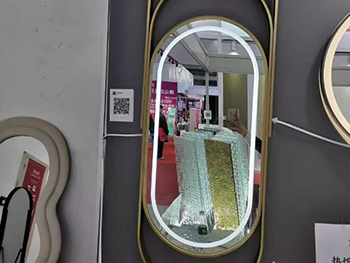
Fully Automatic Smart Bathroom Mirrors with Hygiene-Focused Design
Introduction
The bathroom mirror is no longer just a reflective surface for grooming; it has evolved into a smart, interactive device that enhances convenience, hygiene, and overall user experience. Fully automatic smart bathroom mirrors with hygiene-focused design integrate advanced technologies such as touchless controls, anti-fogging mechanisms, built-in lighting, and even voice assistants to create a seamless and sanitary bathroom environment.
This article explores the key features, benefits, and technological advancements of these mirrors, focusing on how they improve hygiene while offering a futuristic and user-friendly experience.
Key Features of Hygiene-Focused Smart Bathroom Mirrors
1. Touchless Operation
One of the most significant advancements in smart bathroom mirrors is touchless control. Traditional mirrors require physical contact, which can lead to smudges, fingerprints, and the spread of germs. Smart mirrors eliminate this issue by incorporating:
- Motion Sensors – Users can adjust lighting, brightness, or display settings with simple hand gestures.
- Voice Control – Integration with voice assistants like Alexa or Google Assistant allows users to operate the mirror without touching it.
- Proximity Sensors – The mirror can detect when a user approaches and automatically turn on or adjust settings.
2. Anti-Fog Technology
Steam from showers often causes mirrors to fog up, requiring users to wipe them down manually—a process that can spread bacteria. Smart mirrors combat this with:
- Heated Back Panels – A built-in heating element prevents condensation from forming.
- Hydrophobic Coatings – Special coatings repel water droplets, keeping the mirror clear.
- Automatic Defogging – Sensors detect humidity levels and activate defogging mechanisms as needed.
3. Built-in UV Sterilization
To further enhance hygiene, some smart mirrors incorporate UV-C light sterilization. This feature:
- Kills Bacteria & Viruses – UV-C light effectively disinfects the mirror surface and surrounding areas.
- Automatic Activation – The sterilization process runs when the bathroom is unoccupied, ensuring safety.
4. Self-Cleaning Surfaces
Smart mirrors may also feature self-cleaning technology:
- Nano-coatings – Prevent dust, water spots, and fingerprints from sticking.
- Automatic Cleaning Mode – Some models use a combination of UV light and air purification to maintain cleanliness.
5. Integrated Lighting with Health Monitoring
Beyond hygiene, smart mirrors offer health and wellness benefits:
- Adjustable LED Lighting – Mimics natural daylight for accurate makeup application or shaving.
- Skin Analysis – Built-in cameras and AI can analyze skin conditions, detecting issues like dryness or acne.
- Smart Displays – Show weather, news, or health metrics (e.g., heart rate via connected wearables).
6. Waterproof & Dustproof Design
Since bathrooms are high-moisture environments, smart mirrors are built with:
- IP65 or Higher Ratings – Ensuring resistance to water splashes and dust.
- Sealed Electronics – Protecting internal components from humidity damage.
Benefits of Smart Bathroom Mirrors
1. Enhanced Hygiene
By minimizing touchpoints and incorporating sterilization features, these mirrors reduce the risk of bacterial and viral transmission—a crucial advantage in shared or public bathrooms.
2. Convenience & Efficiency
Automated features save time and effort. Users no longer need to manually wipe mirrors, adjust lighting, or struggle with fogged-up surfaces.
3. Improved Aesthetics & Modern Appeal
Sleek, frameless designs with edge-to-edge glass create a minimalist and luxurious look, elevating bathroom décor.
4. Energy Efficiency
Smart mirrors often use LED lighting and low-power sensors, reducing electricity consumption compared to traditional setups.
5. Health & Wellness Integration
With features like skin analysis and circadian lighting, these mirrors contribute to personal well-being.
Future Trends in Smart Bathroom Mirrors
As technology advances, we can expect:
- AI-Powered Personalization – Mirrors that learn user preferences and adjust settings automatically.
- Augmented Reality (AR) Integration – Virtual try-on for makeup, hairstyles, or skincare products.
- Advanced Air Quality Sensors – Detecting humidity, VOCs, and allergens to improve bathroom air quality.
- Modular & Customizable Designs – Allowing users to add or upgrade features as needed.
Conclusion
Fully automatic smart bathroom mirrors with hygiene-focused design represent the future of modern bathrooms. By combining touchless controls, anti-fog technology, UV sterilization, and health-monitoring features, these mirrors offer unparalleled convenience, cleanliness, and innovation. As smart home technology continues to evolve, these mirrors will become an essential fixture in both residential and commercial spaces, transforming daily routines into seamless, hygienic, and personalized experiences.
Would you like additional details on any specific feature or technology?
This website uses cookies to ensure you get the best experience on our website.


 Español
 Français
 日本語
日本語 العربية



 Phone
Phone
Comment
(0)