
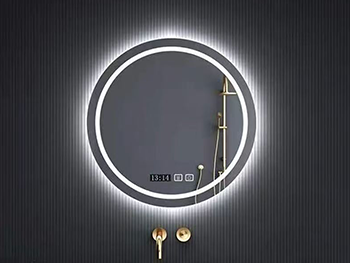
Smart Mirrors with Automatic Lighting Adjustment: The Future of Personal Grooming
Introduction to Smart Mirror Technology
In recent years, the concept of smart mirrors has evolved from science fiction to reality, revolutionizing personal grooming experiences. These innovative devices combine traditional mirror functionality with cutting-edge technology to create interactive, intelligent surfaces that enhance daily routines. Among the most significant advancements in this field is the development of smart mirrors with automatic lighting adjustment capabilities.
Smart mirrors with automatic lighting adjustment represent a convergence of optical technology, artificial intelligence, and user experience design. These mirrors go beyond simple reflection by analyzing environmental conditions and user needs to provide optimal illumination for various tasks. Whether applying makeup, shaving, or simply checking one's appearance, these intelligent mirrors ensure perfect lighting conditions every time.
The technology behind these mirrors incorporates several sophisticated components working in harmony. High-resolution displays, embedded behind two-way mirrors, provide information and interface options while maintaining mirror functionality. Advanced sensors measure ambient light conditions, color temperature, and even facial features to determine the ideal lighting scenario. LED lighting systems with adjustable color temperatures and brightness levels then create the perfect illumination for any situation.
The Science Behind Automatic Lighting Adjustment
The automatic lighting adjustment feature in smart mirrors relies on a complex interplay of hardware and software components. At its core, this technology aims to replicate natural lighting conditions that provide the most accurate representation of how a person appears in various environments.
Light sensors embedded in the mirror frame continuously monitor the ambient light conditions in the room. These sensors measure both light intensity (measured in lux) and color temperature (measured in Kelvin). The data collected helps the mirror's processor determine how to adjust its own lighting to compensate for or complement the existing conditions.
Advanced models incorporate facial recognition technology to identify specific areas of the face that require different lighting conditions. For instance, when applying makeup, the mirror might increase brightness around the eyes while maintaining softer lighting for the rest of the face. This targeted illumination ensures precision in grooming tasks that would be difficult to achieve with conventional lighting setups.
The lighting systems themselves typically use LED technology for its energy efficiency, longevity, and color accuracy. These LEDs are capable of producing a wide range of color temperatures, from warm (2700K) to cool (6500K) white light, mimicking everything from candlelight to bright daylight. Some premium models even include full RGB color capability for specialized applications like theatrical makeup or skin analysis.
Benefits of Automatic Lighting Adjustment
The advantages of smart mirrors with automatic lighting adjustment extend far beyond simple convenience. These devices offer tangible benefits that improve daily routines and provide long-term value to users.
One of the most significant benefits is the elimination of the "bathroom lighting dilemma" - that frustrating experience where makeup or shaving looks perfect in the bathroom mirror but appears completely different in natural daylight or office lighting. By automatically adjusting to simulate various lighting conditions, these mirrors ensure that grooming results translate well to any environment.
For professional makeup artists and beauty enthusiasts, the lighting adjustment feature is particularly valuable. The mirror can recreate specific lighting scenarios - such as restaurant lighting, flash photography conditions, or stage lighting - allowing for makeup application that will look its best in the intended setting. This capability was previously only available in professional studios with elaborate lighting setups.
The health benefits should not be overlooked either. Proper lighting reduces eye strain during grooming routines, particularly in the morning or late at night when natural light isn't available. The mirror's ability to provide consistent, flicker-free illumination at appropriate brightness levels creates a more comfortable experience that's easier on the eyes.
Energy efficiency is another notable advantage. Unlike traditional bathroom lighting that often remains on at full brightness regardless of need, smart mirrors only use the necessary amount of light, adjusting dynamically as conditions change. This intelligent power management can lead to significant energy savings over time.
User Experience and Interface Design
The success of any smart mirror depends heavily on its user interface and overall experience. Manufacturers have developed various approaches to ensure these high-tech devices remain intuitive and accessible to users of all technical abilities.
Most automatic lighting adjustment features operate seamlessly in the background, requiring no user intervention. The mirror simply "does the right thing" based on environmental conditions and the detected activity (like makeup application versus shaving). For users who prefer manual control, intuitive touch interfaces or voice commands allow for easy adjustments.
Modern smart mirrors typically offer several preset lighting modes tailored to specific needs:
- "Natural Daylight" mode simulates bright outdoor conditions
- "Evening" mode provides warmer, softer illumination
- "Office" mode replicates typical workplace lighting
- "Makeup Studio" mode offers bright, even lighting with true color representation
- "Relaxation" mode creates a spa-like ambiance with dim, warm light
The interface design often incorporates minimalist aesthetics to maintain the mirror's primary function. Controls might appear only when needed, disappearing after a period of inactivity to preserve the mirror's clean appearance. Some models use gesture recognition, allowing users to adjust settings with simple hand movements without touching the surface.
Advanced models integrate with smart home systems, enabling lighting adjustments based on time of day, personal schedules, or even biometric data from wearable devices. This level of integration creates a truly personalized grooming experience that adapts to individual routines and preferences.
Technical Components and Architecture
Understanding the technical architecture of smart mirrors with automatic lighting adjustment reveals the sophistication behind these seemingly simple devices. The system comprises several key components working in concert to deliver the smart lighting experience.
The processing unit forms the brain of the system, typically using energy-efficient ARM processors similar to those found in smartphones. This processor runs the operating system, manages sensor inputs, and controls the lighting outputs. Many modern smart mirrors use Android-based systems, allowing for app development and integration with existing ecosystems.
The sensor array includes:
- Ambient light sensors for measuring room lighting conditions
- Proximity sensors to detect user presence
- In some models, cameras for facial recognition and activity detection
- Optional environmental sensors (humidity, temperature) that might affect lighting needs
The display subsystem usually consists of an LCD or OLED panel mounted behind a two-way mirror. This configuration allows the display to be invisible when not in use while providing crisp visuals when activated. Display resolution has improved significantly, with many models now offering Full HD or even 4K resolution for sharp image quality.
The lighting system represents one of the most crucial components. High-quality models use individually addressable LEDs arranged around the mirror's perimeter or behind the glass surface. These LEDs feature high CRI (Color Rendering Index) ratings, typically 90 or above, ensuring accurate color representation. The system can control each LED or group of LEDs independently to create precisely targeted illumination.
Connectivity options usually include WiFi and Bluetooth for integration with other devices and smart home systems. Some models incorporate NFC for quick pairing with smartphones or other personal devices. This connectivity enables features like personalized lighting profiles that follow users across different mirrors in a home or professional setting.
Challenges in Development and Implementation
Despite their apparent simplicity, smart mirrors with automatic lighting adjustment present several technical and design challenges that manufacturers must overcome to deliver a quality product.
One significant challenge involves balancing display brightness with mirror reflectivity. The two-way mirror must reflect enough light to function as a traditional mirror while allowing sufficient display brightness for good visibility. Achieving this balance requires precise engineering of the mirror coating and careful calibration of display brightness levels.
Lighting uniformity presents another challenge. Creating even, shadow-free illumination across the entire mirror surface requires careful placement and calibration of LEDs. Poor implementation can result in hot spots or uneven lighting that defeats the purpose of the smart mirror. Advanced optical diffusion techniques and sophisticated LED control algorithms help address this issue.
Power management is crucial, especially for battery-powered or wireless models. The lighting system must provide sufficient brightness while maintaining energy efficiency. This requires optimization at both the hardware (efficient LEDs, power regulation) and software (intelligent brightness control) levels.
Privacy and security concerns emerge with mirrors that incorporate cameras or microphones. Manufacturers must implement robust security measures to prevent unauthorized access while providing clear indicators when these sensors are active. Transparent privacy policies and user controls help build trust in these increasingly connected devices.
From a user experience perspective, avoiding "feature creep" is essential. While it's tempting to add numerous smart features, maintaining focus on the core lighting adjustment functionality ensures the mirror remains intuitive and reliable. The best implementations strike a balance between advanced capabilities and simplicity of use.
Applications Beyond Personal Grooming
While personal grooming represents the primary use case for smart mirrors with automatic lighting adjustment, the technology has found applications in various other domains.
In retail environments, especially cosmetics and clothing stores, these mirrors enhance the customer experience. Smart mirrors in fitting rooms can automatically adjust lighting to simulate different environments (daylight, evening, office), helping customers make more informed purchasing decisions. Some advanced systems even suggest complementary products based on the items being tried on.
Healthcare applications are emerging, particularly in dermatology and skincare. The precise lighting control allows for better visualization of skin conditions, and some systems incorporate magnification and analysis features to assist in skin health monitoring. These capabilities enable early detection of changes that might warrant professional attention.
Photography studios and video production facilities utilize smart mirror technology for makeup preparation and continuity checks. The ability to recreate specific lighting conditions ensures consistent appearance across different shots and scenes, saving time in post-production.
Hotel and hospitality industries are adopting smart mirrors to enhance guest experiences. Luxury hotels install these mirrors in bathrooms to provide guests with optimal grooming conditions, while some cruise ships use them in cabins to compensate for the challenging lighting conditions at sea.
In architectural and interior design, smart mirrors serve dual purposes as both functional mirrors and adjustable lighting elements. They can complement a room's lighting scheme while providing their intelligent illumination features, creating versatile spaces that adapt to different needs throughout the day.
Future Developments and Trends
The evolution of smart mirrors with automatic lighting adjustment continues at a rapid pace, with several exciting developments on the horizon.
Integration with augmented reality (AR) technologies promises to revolutionize how we interact with mirrors. Future mirrors might overlay makeup virtually before application, show hairstyle changes in real-time, or provide step-by-step grooming tutorials directly on the mirror surface. The lighting system would interact dynamically with these AR features to ensure accurate representation.
Advances in artificial intelligence will enable more sophisticated lighting adjustments. Instead of simple ambient light compensation, AI could analyze facial features, skin tone, and even emotional state to create personalized lighting profiles. The mirror might suggest lighting settings based on the user's schedule or the nature of their upcoming activities.
Miniaturization of components will lead to thinner, more elegant designs that blend seamlessly into any decor. Future models might resemble traditional mirrors with almost invisible technology integration, making the smart features appear almost magical in their implementation.
Energy harvesting technologies could enable self-powered smart mirrors that require no external power source. Solar cells, kinetic energy harvesting from mirror adjustments, or even body heat conversion might provide enough energy to run the mirror's electronics and lighting system.
The development of flexible display technologies may lead to mirrors that can change shape or size according to need. Imagine a mirror that expands for full-body viewing when needed or adjusts its curvature to eliminate distortions automatically. The lighting system would adapt dynamically to these form factor changes.
Environmental Impact and Sustainability
As with any technological product, considering the environmental impact of smart mirrors with automatic lighting adjustment is crucial. Fortunately, several aspects of this technology contribute positively to sustainability efforts.
The energy efficiency of LED lighting, combined with intelligent power management, results in significantly lower energy consumption compared to traditional bathroom lighting setups. Many users report leaving their smart mirrors on for extended periods because the automatic dimming feature minimizes power usage when full brightness isn't required.
Long product lifespan reduces electronic waste. High-quality smart mirrors are built to last many years, with modular designs that allow for component upgrades rather than complete replacements. This approach contrasts with the disposable nature of many modern electronics.
Manufacturers are increasingly using recycled materials in construction and implementing more sustainable production processes. The aluminum frames common in many models often contain significant recycled content, and glass components are increasingly sourced from post-consumer recycling streams.
The smart mirror's ability to reduce product waste in cosmetics and grooming supplies represents an often-overlooked environmental benefit. By ensuring accurate makeup application and shaving conditions, users make fewer mistakes that lead to product wastage. The mirror might also integrate with inventory systems to track product usage and suggest optimal replacement times, preventing premature disposal of grooming products.
Future developments may incorporate even more sustainable features, such as biodegradable electronic components, improved recyclability, and energy-neutral operation through advanced power harvesting techniques.
Conclusion: The Transformative Potential of Smart Lighting Mirrors
Smart mirrors with automatic lighting adjustment represent more than just a technological novelty—they offer a fundamental improvement to daily routines that millions of people perform every day. By solving the persistent problem of inadequate grooming lighting, these devices eliminate frustration and improve outcomes in personal care.
The technology's sophistication belies its simple purpose: to show us our reflection in the best possible light, quite literally. As the technology matures and becomes more accessible, we can expect to see these mirrors transition from luxury items to standard home fixtures, much like electric lighting did over a century ago.
What makes these smart mirrors particularly compelling is their ability to bridge the physical and digital worlds seamlessly. They enhance rather than replace the traditional mirror experience, adding value without creating distraction. This thoughtful approach to technology integration serves as a model for other smart home devices.
As we look to the future, the potential applications and developments in smart mirror technology appear limitless. From healthcare to retail, from personal use to professional applications, these intelligent surfaces will continue to redefine how we interact with our reflections and our environments.
The mirror, one of humanity's oldest and most essential tools for self-perception, has entered the digital age with grace and purpose. Smart mirrors with automatic lighting adjustment don't just show us who we are—they help us present our best selves to the world, in any light.
This website uses cookies to ensure you get the best experience on our website.


 Español
 Français
 日本語
日本語 العربية



 Phone
Phone
Comment
(0)