
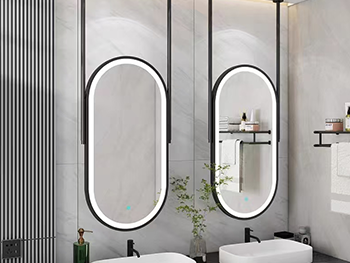
Smart Mirrors with Anti-Fog and Anti-Glare Technology: The Future of Reflective Surfaces
Introduction
Smart mirrors represent a significant leap in the evolution of reflective surfaces, combining traditional functionality with cutting-edge technology. Beyond simply reflecting images, these mirrors integrate advanced features such as anti-fog and anti-glare capabilities, making them ideal for various environments, including bathrooms, gyms, retail stores, and automotive applications. This paper explores the technology behind smart mirrors, focusing on their anti-fog and anti-glare properties, their benefits, and their potential future developments.
What Are Smart Mirrors?
Smart mirrors are interactive displays that merge a reflective surface with digital technology. Unlike conventional mirrors, they can provide real-time information, adjust lighting, and even connect to smart home systems. The integration of anti-fog and anti-glare technologies ensures that these mirrors remain clear and usable in challenging conditions, such as high humidity or bright lighting.
Anti-Fog Technology in Smart Mirrors
How Fog Forms on Mirrors
Fogging occurs when warm, moist air comes into contact with a cooler surface, causing water vapor to condense into tiny droplets. This is a common issue in bathrooms after hot showers or in cars during cold weather. Traditional mirrors become unusable when fogged, but smart mirrors employ various anti-fog mechanisms to prevent this.
Anti-Fog Solutions
1. Heating Elements
- Many smart mirrors incorporate thin, transparent heating layers (often using indium tin oxide or graphene) that gently warm the mirror’s surface, preventing condensation.
- These heating elements are energy-efficient and can be activated automatically via humidity sensors.
2. Hydrophilic Coatings
- Some mirrors use hydrophilic (water-attracting) coatings that spread condensed water into a thin, transparent film rather than droplets, maintaining visibility.
3. Ventilation Systems
- In some cases, smart mirrors include built-in fans or ventilation to circulate air and reduce humidity near the surface.
Benefits of Anti-Fog Smart Mirrors
- Enhanced Usability: No need to wipe the mirror manually after a shower.
- Improved Hygiene: Reduces the risk of bacterial growth caused by moisture.
- Energy Efficiency: Modern heating systems consume minimal power while maintaining clarity.
Anti-Glare Technology in Smart Mirrors
The Problem of Glare
Glare occurs when excessive light reflects off a mirror’s surface, causing discomfort or obscuring visibility. This is particularly problematic in brightly lit environments, such as retail stores or outdoor installations.
Anti-Glare Solutions
1. Polarized Filters
- Some smart mirrors use polarized layers that selectively block certain light wavelengths, reducing harsh reflections.
2. Matte or Diffusive Finishes
- A slightly textured surface can scatter light instead of reflecting it directly, minimizing glare.
3. Adjustable Brightness Displays
- Smart mirrors with integrated displays can automatically adjust brightness based on ambient light conditions, ensuring optimal visibility.
4. Electrochromic Technology
- Advanced mirrors may use electrochromic materials that darken or lighten in response to changing light levels, similar to transition lenses in eyeglasses.
Benefits of Anti-Glare Smart Mirrors
- Better Visibility: Reduces eye strain in high-light environments.
- Aesthetic Appeal: Provides a sleek, modern look without distracting reflections.
- Versatility: Suitable for both indoor and outdoor applications.
Applications of Smart Mirrors with Anti-Fog and Anti-Glare Features
1. Residential Use (Bathrooms, Vanities, Dressing Rooms)
- Bathrooms: Anti-fog technology ensures clear reflections even after hot showers.
- Dressing Rooms: Anti-glare properties help users see true colors and details without harsh reflections.
2. Fitness and Wellness (Gyms, Spas, Salons)
- Gyms: Athletes can check their form without distortion from fog or glare.
- Spas & Salons: Professionals can work efficiently with clear, glare-free reflections.
3. Retail and Fashion (Interactive Displays, Fitting Rooms)
- Virtual Try-Ons: Anti-glare screens allow customers to see accurate representations of clothing and makeup.
- Advertising: Digital displays remain visible even under bright store lighting.
4. Automotive (Rearview and Side Mirrors)
- Anti-Fog: Prevents condensation in humid or cold conditions.
- Anti-Glare: Reduces blinding reflections from headlights at night.
5. Healthcare and Medical Use (Diagnostic Mirrors, Surgical Lighting)
- Medical Examinations: Clear visibility is crucial for dermatologists and surgeons.
- Patient Monitoring: Smart mirrors in hospitals can display vital signs without visual obstructions.
Future Developments in Smart Mirror Technology
1. Self-Cleaning Surfaces
- Future smart mirrors may incorporate photocatalytic coatings that break down dirt and bacteria when exposed to light.
2. Augmented Reality (AR) Integration
- AR overlays could provide real-time makeup tutorials, fitness coaching, or navigation assistance.
3. AI-Powered Personalization
- Machine learning could enable mirrors to recognize users and display personalized information (e.g., weather, calendar, health metrics).
4. Energy Harvesting
- Solar-powered smart mirrors could reduce dependency on electrical grids.
5. Advanced Touch and Gesture Controls
- More intuitive interaction methods, such as voice commands or motion sensing, could enhance usability.
Challenges and Considerations
1. Cost
- High-tech smart mirrors are currently more expensive than traditional mirrors, though prices are expected to decrease as technology matures.
2. Power Consumption
- While anti-fog heating and digital displays require energy, optimizing efficiency remains a priority.
3. Durability
- Coatings and electronic components must withstand long-term exposure to moisture and temperature fluctuations.
4. Privacy Concerns
- Cameras and sensors in smart mirrors raise data security questions that manufacturers must address.
Conclusion
Smart mirrors with anti-fog and anti-glare technology represent a significant advancement in reflective surfaces, offering enhanced functionality, convenience, and aesthetics. From residential bathrooms to high-end retail stores, these mirrors provide clear, distortion-free reflections while integrating seamlessly with modern smart environments. As technology continues to evolve, future smart mirrors will likely become even more interactive, energy-efficient, and indispensable in daily life.
By addressing current challenges such as cost and durability, the widespread adoption of smart mirrors is inevitable, paving the way for a future where mirrors are not just passive objects but intelligent, responsive tools.
This website uses cookies to ensure you get the best experience on our website.


 Español
 Français
 日本語
日本語 العربية



 Phone
Phone
Comment
(0)