
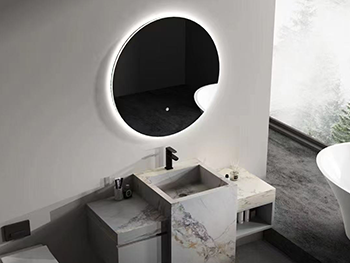
Smart Mirrors with Automatic Defogging: The Future of Bathroom Technology
Introduction to Smart Mirrors
In the era of smart homes and connected devices, the humble bathroom mirror has undergone a remarkable transformation. Smart mirrors represent one of the most exciting developments in home technology, combining traditional functionality with cutting-edge digital features. Among the most practical innovations in this space is the automatic defogging capability, which solves one of the most common bathroom annoyances—steamed-up mirrors after showers or baths.
Smart mirrors with automatic defogging technology use advanced sensors and heating elements to maintain perfect visibility regardless of humidity levels. These mirrors represent more than just convenience; they demonstrate how technology can seamlessly integrate into our daily routines to solve age-old problems. This comprehensive exploration will examine the technology behind these mirrors, their benefits, installation considerations, and future developments in this rapidly evolving field.
The Science Behind Mirror Fogging
To understand how automatic defogging works, we must first examine why mirrors fog up in the first place. When hot water from showers or baths meets the cooler surface of a mirror, condensation occurs. Water vapor in the air transforms into liquid droplets on the mirror's surface, creating that familiar foggy effect that obscures our reflection.
The temperature at which this condensation occurs is called the dew point—when the mirror's surface temperature falls below this point, fogging begins. Traditional solutions like wiping the mirror or opening windows are temporary fixes that don't address the root cause. Automatic defogging systems provide a more elegant, permanent solution by maintaining the mirror's surface temperature above the dew point.
How Automatic Defogging Technology Works
Smart mirrors with automatic defogging employ several technological approaches to prevent condensation:
1. Heating Element Systems
The most common method involves integrating thin, transparent heating elements between layers of glass. These elements, often made of conductive materials like indium tin oxide (ITO) or fine metallic wires, generate gentle heat when activated. The system typically includes:
- Humidity sensors that detect rising moisture levels
- Temperature sensors that monitor the mirror's surface
- A control unit that activates heating when needed
- User-adjustable settings for personalized comfort
The heating occurs at a low level that's imperceptible to touch but sufficient to keep the mirror's surface above the dew point, preventing condensation from forming.
2. Air Circulation Systems
Some advanced models combine heating with subtle air circulation. Small fans or vents direct warm air across the mirror's surface, accelerating evaporation and maintaining clarity. This approach can be more energy-efficient in certain environments.
3. Hydrophobic Coatings
While not strictly defogging technology, some smart mirrors incorporate hydrophobic (water-repellent) nanocoatings that cause water droplets to bead up and roll off rather than forming a foggy film. These coatings often work in conjunction with heating elements for optimal performance.
Key Features of Smart Mirrors with Automatic Defogging
Beyond their defogging capabilities, these intelligent mirrors typically include an array of smart features:
1. Touchscreen Interfaces
Many models feature responsive touchscreen surfaces that transform the mirror into an interactive display. Users can access weather updates, news, calendar appointments, or control other smart home devices—all while getting ready for their day.
2. Integrated Lighting
Adjustable LED lighting systems with various color temperatures (from warm to cool white) help users achieve perfect visibility for grooming tasks. Some models include smart sensors that automatically adjust brightness based on ambient light conditions.
3. Voice Control Compatibility
Integration with popular voice assistants allows for hands-free operation—users can ask for the morning news, set reminders, or adjust lighting without touching the mirror.
4. Bluetooth Connectivity
Built-in speakers and Bluetooth connectivity enable users to stream music, podcasts, or take calls while using the mirror.
5. Health Monitoring Features
Advanced models may include features like skin analysis cameras, weight tracking integration, or even basic vital sign monitoring through specialized sensors.
6. Customizable Display Options
Users can choose what information appears on their mirror—from simple clock displays to comprehensive dashboards showing weather, traffic, and personal schedules.
Benefits of Automatic Defogging Smart Mirrors
The advantages of these advanced mirrors extend far beyond their obvious convenience:
1. Time-Saving Convenience
Eliminating the need to wipe down mirrors after showers saves time during busy morning routines. The mirror is always ready for use immediately after bathing.
2. Improved Hygiene
Traditional wiping methods can spread bacteria or leave streaks. Automatic defogging maintains cleanliness without physical contact.
3. Energy Efficiency
Modern defogging systems are designed to operate only when needed, using minimal power. Many models include motion sensors that activate features only when someone is present.
4. Enhanced Safety
Clear visibility prevents accidents that might occur when trying to use a fogged mirror in a slippery bathroom environment.
5. Aesthetic Appeal
These mirrors maintain a sleek, modern appearance without the clutter of traditional anti-fog sprays or wiping cloths.
6. Smart Home Integration
As part of a connected home ecosystem, these mirrors can coordinate with other devices—for example, turning on the bathroom heater when they detect morning activity.
Installation Considerations
While smart mirrors with automatic defogging offer numerous benefits, proper installation is crucial for optimal performance:
1. Power Requirements
Unlike traditional mirrors, these devices require electrical connections. Options include:
- Hardwired installation (recommended for permanent setups)
- Plug-in models (easier to install but may require visible cords)
- Some high-end models offer battery options for limited functionality
2. Placement
Consider the mirror's position relative to:
- Shower or bath (closer proximity may require stronger defogging)
- Existing electrical outlets
- Natural light sources that might affect display visibility
3. Size and Weight
Smart mirrors tend to be heavier than standard mirrors due to their technological components. Ensure your wall can support the weight, possibly requiring reinforced mounting.
4. Professional Installation
While some models are designed for DIY installation, complex setups—especially those requiring electrical work—may benefit from professional installation to ensure safety and proper functionality.
5. Waterproofing
Although these mirrors are designed for bathroom use, verify their IP (Ingress Protection) rating to ensure they can withstand the humidity levels in your specific bathroom environment.
Maintenance and Care
Smart mirrors with defogging capabilities require minimal but specific maintenance:
1. Cleaning: Use only recommended cleaning solutions and soft cloths to avoid damaging sensitive coatings or touchscreen surfaces.
2. Software Updates: Regularly update the mirror's software to ensure optimal performance and access to new features.
3. Sensor Maintenance: Periodically check that humidity and motion sensors remain unobstructed and functional.
4. Electrical Safety: Regularly inspect power connections for signs of wear or damage, especially in humid environments.
5. Professional Servicing: For any technical issues beyond basic troubleshooting, consult qualified technicians familiar with smart mirror technology.
Energy Efficiency and Environmental Impact
Modern automatic defogging systems are designed with energy conservation in mind:
1. Smart Activation: Most systems only activate when needed, using motion or humidity sensors to determine when to engage the defogging feature.
2. Low-Power Components: Advanced heating elements and LED displays consume minimal electricity compared to older technologies.
3. Auto-Off Features: Many models include timers or presence detection to turn off features when the bathroom is unoccupied.
4. Sustainable Materials: Manufacturers increasingly use recycled materials and design products for longevity to reduce environmental impact.
5. Energy Star Options: Some models meet strict energy efficiency guidelines, offering environmentally conscious consumers certified options.
Cost Considerations
While more expensive than traditional mirrors, smart mirrors with defogging capabilities offer long-term value:
1. Initial Investment: Prices vary widely based on size and features, ranging from modestly priced basic models to high-end versions with extensive smart capabilities.
2. Installation Costs: Factor in potential electrical work or professional installation fees if needed.
3. Energy Savings: Reduced need for bathroom heating (since mirrors stay clear without needing increased room temperature) can lead to long-term utility savings.
4. Durability: High-quality models are built to last, potentially outliving multiple standard mirrors.
5. Added Home Value: As smart home technology becomes more desirable, these mirrors can increase property appeal and value.
Future Developments in Smart Mirror Technology
The field of smart mirrors continues to evolve rapidly, with several exciting developments on the horizon:
1. Advanced Health Monitoring: Future models may incorporate more sophisticated health tracking, potentially detecting early signs of skin conditions or monitoring hydration levels.
2. Augmented Reality Integration: AR capabilities could allow virtual try-on of makeup, hairstyles, or accessories directly on the user's reflection.
3. Improved Display Technology: Flexible, ultra-thin displays may allow for mirrors that can change shape or size based on user needs.
4. AI-Powered Personalization: Artificial intelligence could learn user routines and preferences to offer personalized morning briefings or grooming suggestions.
5. Sustainable Power Solutions: Integration with bathroom lighting systems or kinetic energy harvesting could make these devices even more energy-independent.
6. Enhanced Smart Home Integration: Future mirrors may serve as central hubs for bathroom ecosystems, controlling water temperature, air quality, and more.
Choosing the Right Smart Mirror with Automatic Defogging
When selecting a smart mirror, consider these factors:
1. Primary Needs: Determine whether defogging is your main requirement or if you want additional smart features.
2. Bathroom Size and Layout: Choose a size and shape that complements your space while providing adequate reflection.
3. Compatibility: Ensure the mirror works with your existing smart home ecosystem if integration is important.
4. User Interface: Test different control methods (touch, voice, app) to find what feels most intuitive.
5. Budget: Balance desired features with what you're willing to invest, remembering this is a long-term addition to your home.
6. Reviews and Reputation: Research different models and manufacturers to find reliable products with good customer support.
Conclusion
Smart mirrors with automatic defogging represent a perfect marriage of practical problem-solving and cutting-edge technology. By addressing the simple but universal annoyance of fogged bathroom mirrors, these devices demonstrate how smart home innovations can genuinely improve daily life. Beyond their defogging capabilities, they offer a platform for numerous conveniences and integrations that transform a basic household item into a central hub of morning routines.
As technology continues to advance, we can expect these mirrors to become even more sophisticated, personalized, and integrated into our connected lives. For those looking to upgrade their bathrooms with smart technology that offers both immediate practical benefits and exciting future potential, a smart mirror with automatic defogging presents an excellent investment in comfort, convenience, and modern living.
This website uses cookies to ensure you get the best experience on our website.


 Español
 Français
 日本語
日本語 العربية



 Phone
Phone
Comment
(0)